Clapp Finance Announces Clapp Crypto Card Launch
Clapp Finance announced the launch of its Clapp Crypto Card on November 24, 2026, saying it can draw from USDT and USDC balances and be linked to the company’s multi-collateral credit lines.
 By Oliver Reed, Crypto card developments editor
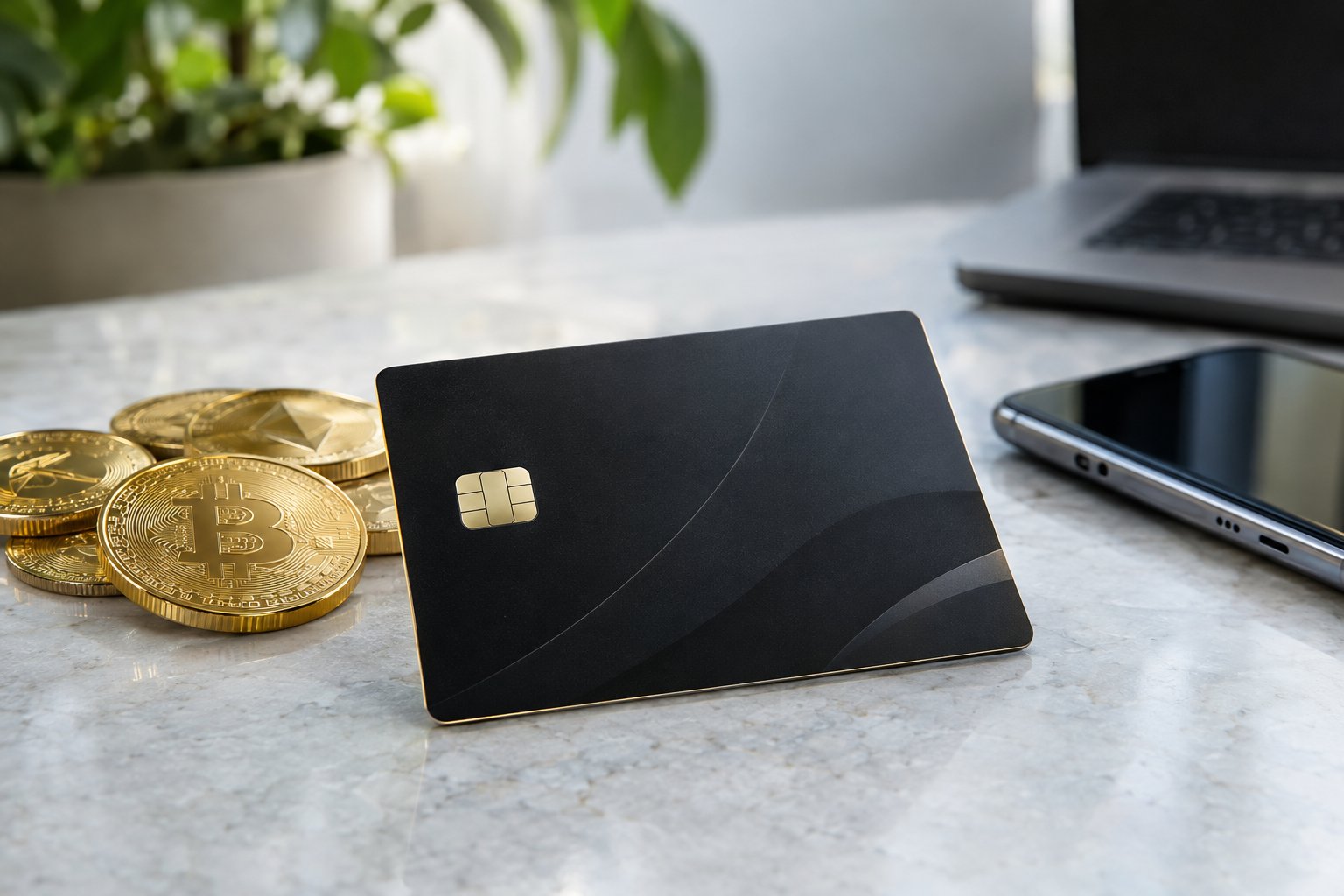
Clapp Finance announced the launch of its Clapp Crypto Card on November 24, 2026. The company says the card connects to USDT and USDC balances and can be linked to its multi-collateral credit lines. The announcement describes a product launch, but prospective users should check Clapp’s current terms and country-specific availability before relying on the card.
How Clapp says the card works
In its launch announcement, Clapp Finance said the card is denominated in US dollars and draws directly from users’ USDT and USDC balances. It said transactions are converted at the point of sale, with the merchant receiving local currency.
The company also said users can link the card to a Clapp Credit Line and borrow stablecoins against crypto holdings, including BTC and ETH, to spend without selling those assets. This is Clapp’s description of the product; the announcement does not set out the full credit-line terms or explain how the collateral arrangement works in every case.
Clapp said the card is available through its app. The announcement also describes an integrated wallet and exchange, placing the card within a wider crypto-management service rather than presenting it as a standalone payment product.
What the launch means for readers
The announcement is relevant to people considering card spending funded by stablecoin balances, and to holders interested in borrowing against crypto rather than selling it to fund a purchase. Those are different funding routes: spending from a balance uses assets already held for that purpose, while borrowing introduces a credit line and collateral arrangement. The announcement does not provide enough detail to assess the conditions or risks attached to that borrowing.
Before applying or moving assets, readers should check the provider’s current documents for supported countries, identity checks, which assets can be used as collateral, how borrowing and repayment work, and what happens if collateral requirements are not met. Availability should be confirmed for the reader’s own location rather than inferred from general statements about the card. For a broader framework on asset control, see our guide to custodial and self-custody cards.
Market context cited by Clapp
Clapp’s announcement cited a16z figures saying monthly spending through crypto payment cards approached $759 million in July 2026, about 2.5 times the year-earlier level. It also said USDC and USDT accounted for the vast majority of that spending. These figures were included as context for the launch; they do not establish how widely the Clapp card will be used.
Clapp CEO Ilya Stadnik said the company’s goal was to make crypto usable for everyday spending and that pairing the card with its credit lines would let users spend against a portfolio without selling assets.
What to check next
Readers considering the product should confirm the latest card and credit-line terms directly in Clapp’s app or official materials, including whether the service is available in their country and how the linked borrowing works. The launch announcement does not give a country-by-country eligibility breakdown or detailed credit-line conditions. Treat those points as unresolved until Clapp confirms them for the relevant user and location.
This article is general information, not financial, investment, tax or legal advice.
Source: webdisclosure.com