Reap announces point-of-sale conversion from virtual-asset balances
Reap said on November 5, 2026, that card-issuing clients can let users fund purchases by converting virtual assets from existing balances at the point of sale, without a prior swap. Bitcoin support is available to issuing clients through Reap’s existing API; the announcement does not establish that every card programme or country is included.
 By Oliver Reed, Crypto card developments editor · Updated
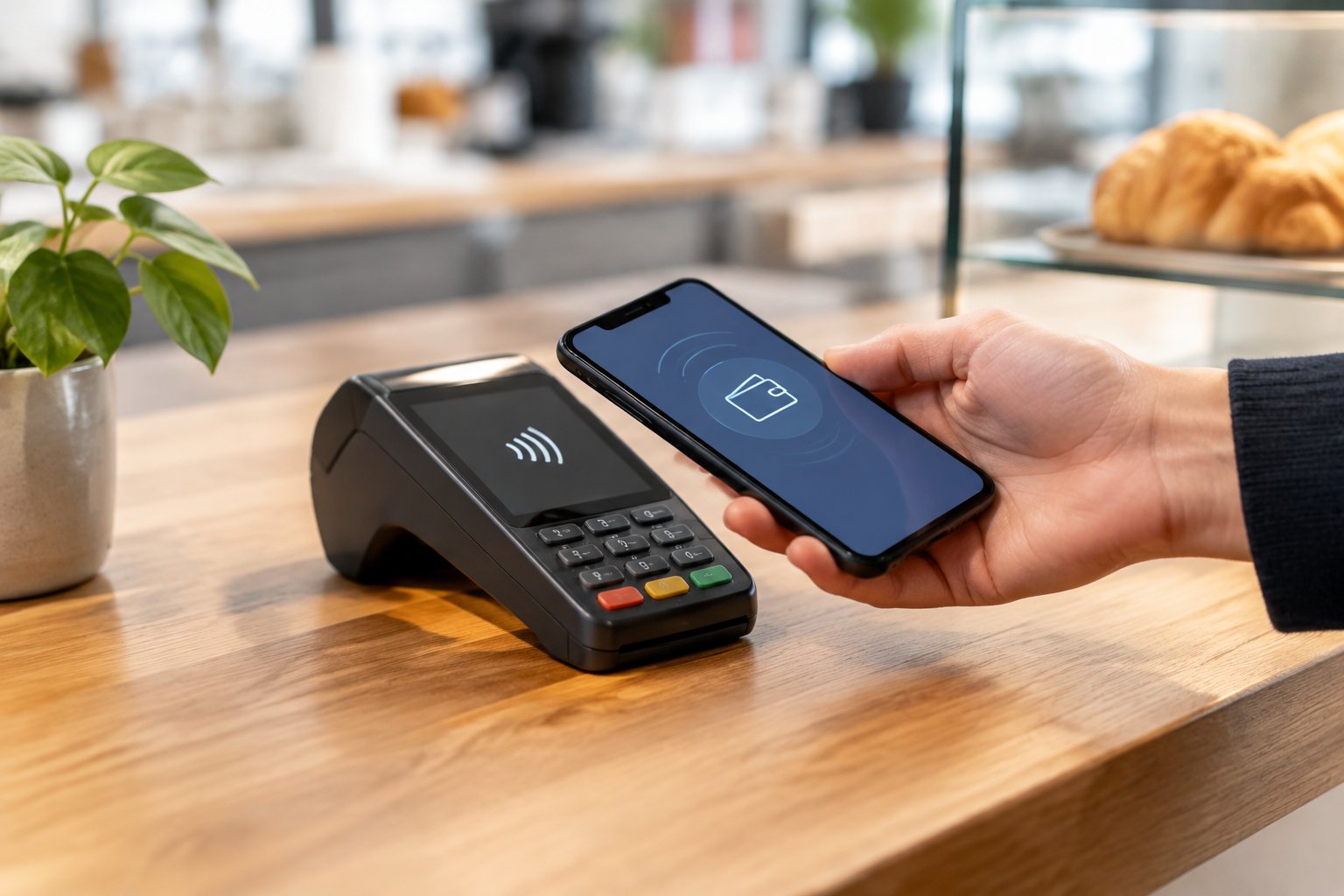
Reap announced on November 5, 2026, that clients using its card-issuing platform can enable spending from users’ existing virtual-asset balances, with conversion at the point of sale. Reap says this removes the need for a prior swap, unstaking or a separate funding pipeline. Bitcoin support is available now to card-issuing clients through Reap’s existing API.
How the point-of-sale conversion works
According to Reap’s press release, a participating platform can mirror a user’s virtual-asset balance to Reap and price it using its own feed. When the user pays, conversion takes place at the platform’s live rate. Reap describes this as spending from assets the user already holds, rather than first selling them or moving funds through a separate stablecoin conversion.
The change is a capability for Reap’s card-issuing clients, not an announcement that every Reap-issued card automatically supports virtual-asset spending. Reap says Bitcoin support is available now through its API. Although the release describes the ledger as supporting Bitcoin and other virtual assets, holders should confirm which assets their own platform has enabled.
A client can also combine balances in the programme’s available spending balance. Reap gives the example of cash and Bitcoin contributing to one total, while the platform decides which balance funds a transaction. The release says spending limits remain tied to collateral posted by the client.
Which card users and countries are covered
The announcement concerns cards issued through Reap and the fintechs, exchanges, wallets or other platforms that use its card-issuing service. Reap says its cards are issued from Hong Kong and Mexico and can be used wherever Visa is accepted.
Those statements describe card issuance locations and merchant acceptance; they do not establish that a particular card programme is available to residents of every country where Visa is accepted. A holder’s country eligibility and access to the new feature depend on the relevant client programme. Check the platform’s official information before treating the feature as available for your account or location.
For a separate development involving stablecoin-funded card spending in the United States, see our report on OKX’s U.S. stablecoin card launch.
What changes—and what remains with the client
Reap presents the ledger as a way for platforms to connect balances that have traditionally been kept in separate products: a card may draw on cash while virtual assets stay in a separate wallet until sold. The new arrangement can put multiple balances behind one available balance. Reap also says clients can include their own cashback, loyalty points, credit lines or salary allowances in the programme.
The operating responsibilities described in the release matter for users assessing how funds are handled. Reap says clients retain custody of users’ funds and the customer relationship. Reap holds a master collateral account in USDC or USDT to back outstanding card spending, maintained by the client. Reap says it does not custody the underlying assets or operate as an exchange; treasury management and conversion remain with the client.
For holders, the practical distinction is that the card feature does not, by itself, mean Reap holds or exchanges the user’s underlying virtual assets. The platform’s role in pricing, balance selection and programme operation should be checked with the provider that offers the card.
Background and what holders should check
Reap says card providers have generally handled virtual-asset spending either by converting assets to stablecoins first or by building a dedicated treasury flow. Its announcement describes point-of-sale conversion as an alternative: the user’s existing balance can fund the purchase without a preliminary swap. The release also places the launch against growth in crypto-card use, citing reported card spending of $1.04 billion in July 2026. That market context does not establish adoption or availability within any individual Reap client’s programme.
Before relying on the feature, cardholders should check their own provider’s current official notice and terms for:
- Whether the provider has enabled the feature for the user’s account and country.
- Which virtual assets are supported in that specific programme; Reap states that Bitcoin support is available to issuing clients, but programme-level support should be confirmed.
- How the platform’s live pricing feed is applied at the point of sale and which balance funds a transaction.
- Any applicable programme conditions, including how spending limits are determined.
Reap’s announcement gives no universal eligibility statement for cardholders. The immediate question for a reader is therefore whether their own card provider has enabled Bitcoin spending, and on what terms—not whether the platform capability exists in general.
This report is general information, not financial, investment, tax or legal advice.
Source: payward.com